What We’re Really Nostalgic About When We Post “You in 2016”
Have you wondered what the big deal with 2016 actually is?
Every few months, social media comes up with a new trend.
This month it was “Post you in 2016“.
As if that year holds some kind of lost innocence.
As if it was simpler. Happier. Better.
But if we’re honest, 2016 wasn’t a good year.
- Brexit.
- The US election.
- The restructuring of 4th power in Greece.
- The slow disintegration of socialism.
- The rise of fascism, louder and less ashamed than before.
The world didn’t feel safe or optimistic.
It felt fractured. And yet, people keep going back to it.
Not because it was peaceful — but because we were different.

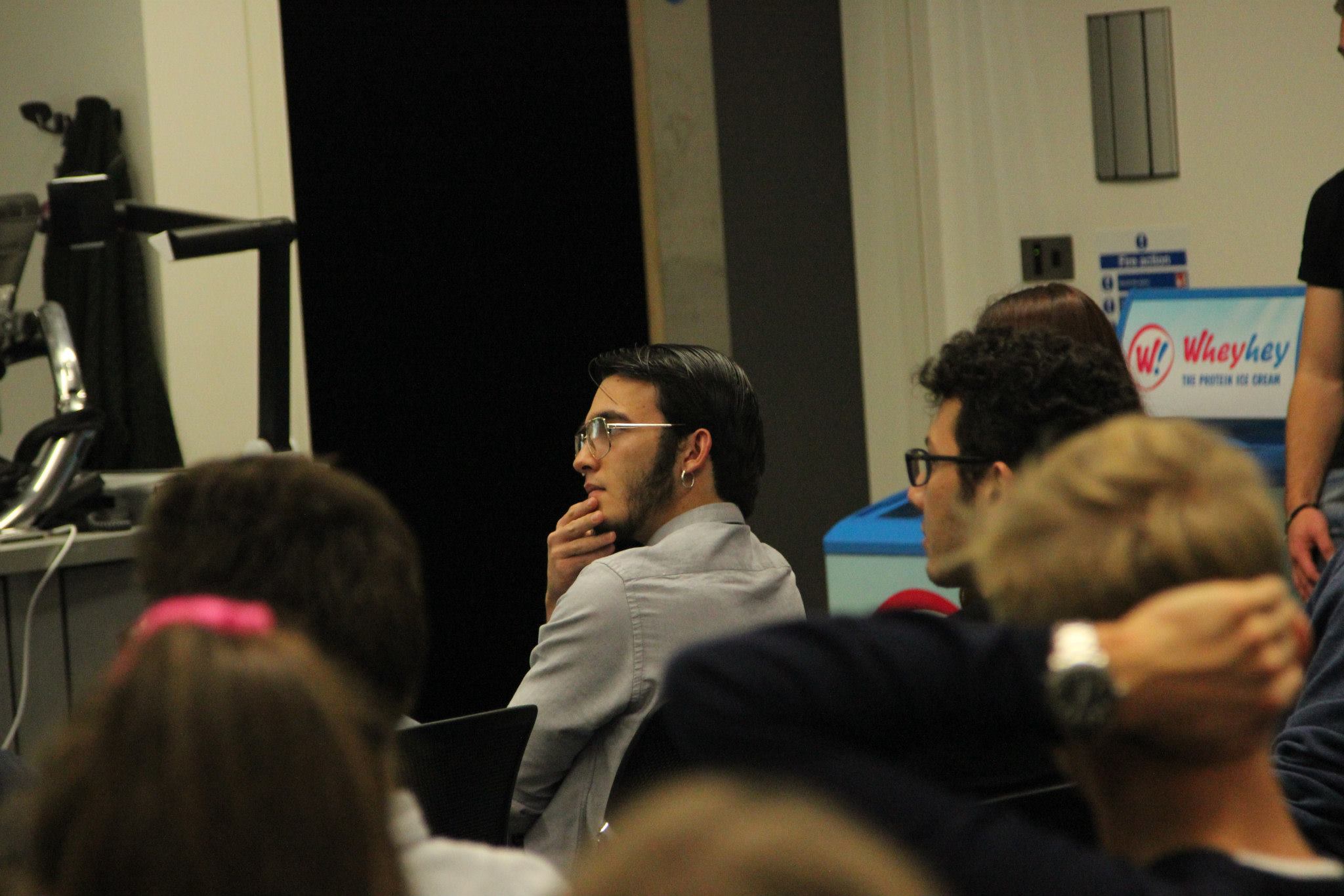
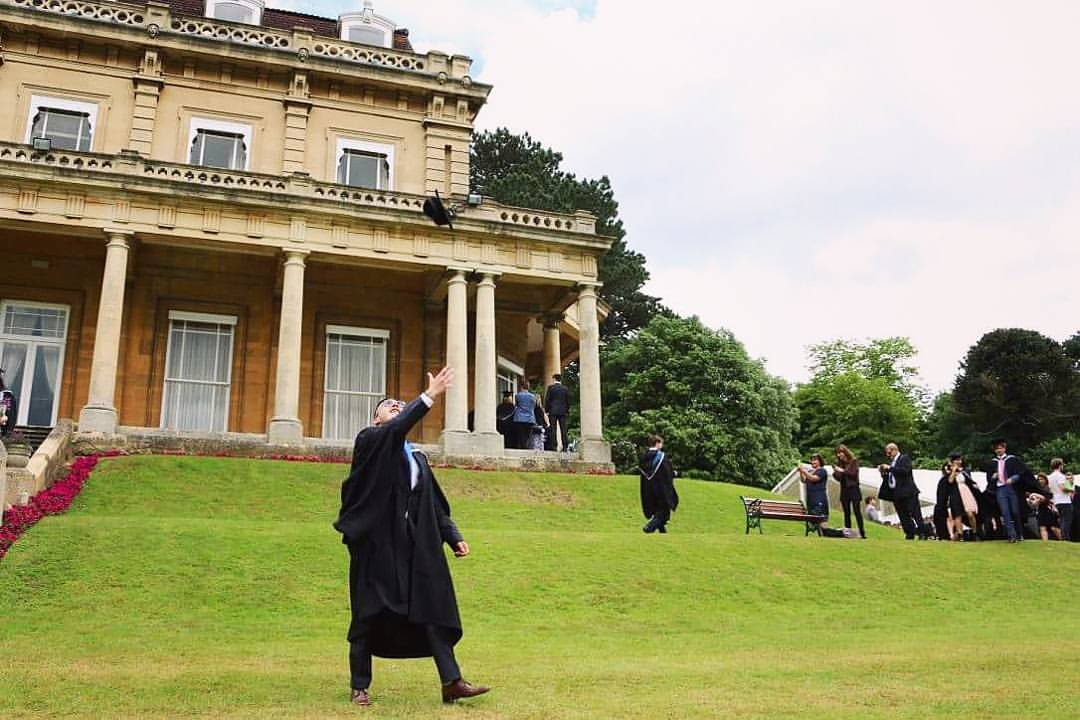
I Remember A Specific Day In Oxford.
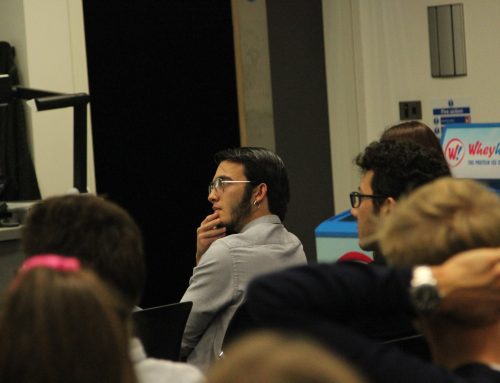
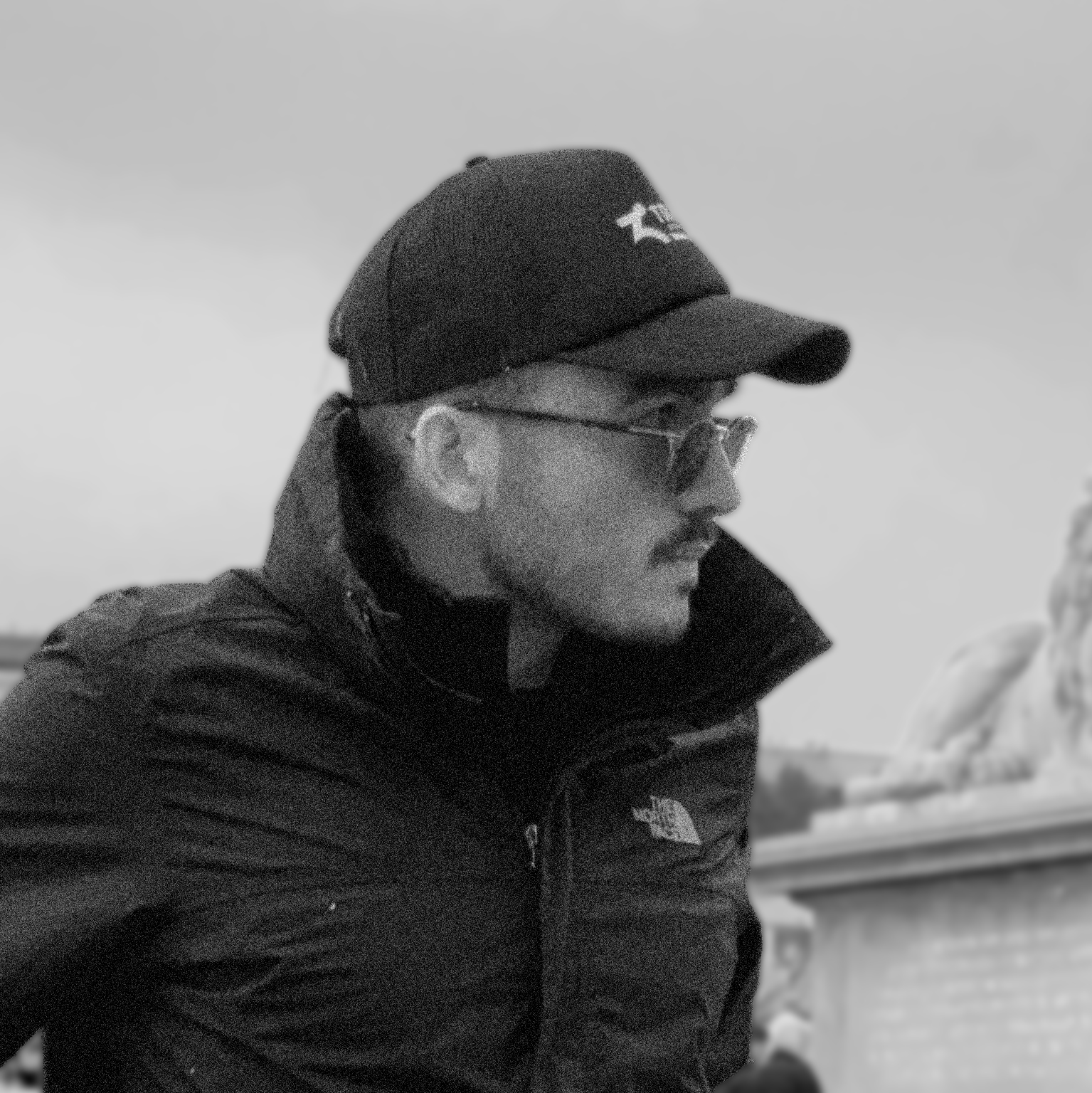
A friend took a photo of me during a break between finishing university assignments and planning what we believed would be the next big thing. We established the Society of Hellenes, full of discussions, ideas, ambition. I was 22 years old. Just months away from graduating.
We were dreaming without filters.
Not because we were naive, but because nothing had tested us yet.
No real failure.
No serious loss.
No long-term consequences.
We believed we would change the world — and no one had the authority to tell us otherwise. Not because we were right, but because our journey hadn’t started.
That confidence showed on our faces.
There was light.
There was movement.
There was a kind of shine that doesn’t come from success, but from expectation.
The years that followed didn’t arrive gently.
They challenged us personally.
Financially.
Professionally.
We failed. More than once.
Plans didn’t work.
Certainty dissolved.
The “star” blurred.
Crisis has a way of doing that.
It doesn’t just test your skills — it tests your belief that effort leads somewhere meaningful.
Hope became quieter.
Sometimes absent.
So when we post “you in 2016”, we’re not celebrating that year.
We’re mourning something else.
We’re nostalgic for the version of ourselves that still believed — not blindly, but fully.
For the moment before reality demanded proof.
For the time when confidence came naturally, before it had to be rebuilt piece by piece.
What we miss is not the world back then.
It was already broken.
What we miss is the shine of our personal star, back when it felt steady, visible, unquestioned.
And maybe that’s not a bad thing.
Because remembering it doesn’t mean wanting to go back.
It means recognizing what’s worth reclaiming — not the circumstances, but the belief that moving forward still makes sense.